Navigating Building Permits and Business Licenses in Chicago

Unraveling Chicago’s Permitting Puzzle Embarking on a construction or business endeavor in Chicago means facing a maze of regulatory requirements, where building permits and business licenses form the backbone of a compliant project. The local landscape is known for its intricate documentation, strict code enforcement, and dynamic interpretations of urban planning standards. Understanding these elements is key for anyone seeking to navigate the city’s complex permitting process. In this section, you will learn: By breaking down these challenges, this guide offers practical, actionable insights that demystify the bureaucracy. Whether you are launching a new business or planning a construction project, acquainting yourself with the nuances of local ordinances and permit processes is crucial. This comprehensive overview sets the stage for more detailed discussions ahead, providing you with the tools to avoid common hurdles and optimize your project’s workflow in the vibrant urban context of Chicago. Mastering the Permit Process in Chicago Navigating the building permit process in Chicago can seem daunting, but breaking it down into clear steps simplifies the journey. Follow this comprehensive guide to ensure your submission stands out and meets all requirements. Tip: Consider scheduling a consultation at your local permit office to clarify unique project details before submission. Essential Regulatory Insights for Chicago Licensing Navigating Chicago’s regulatory maze may seem daunting, but understanding the core compliance requirements can empower your business journey. The city’s building permits and business license regulations are designed to ensure public safety and promote orderly urban growth. From zoning restrictions to environmental standards, professionals and local business owners alike must adhere to clear guidelines that guarantee construction and operation integrity. Key points include: These measures emphasize the critical role that precise regulatory adherence plays in maintaining safety standards and promoting urban development. Embracing these practices not only mitigates risk but also fosters trust with local communities. By breaking down the compliance process into actionable steps, business owners in Chicago can streamline their permit and licensing efforts significantly. Top 7 Permit and Licensing Challenges in Chicago Frequently Asked Questions What distinguishes a building permit from a business license in Chicago? Building permits are necessary for construction and modifications to structures, ensuring safety standards and zoning regulations are met. A business license, on the other hand, validates that operations comply with local business rules and industry standards. How do I determine the right permit or license for my project? Review project details and consult local city guidelines. Consider: What documents do I need to submit? Typically, you will need architectural or engineering plans, a completed application form, and proof of compliance with local codes. Ensure all documents are current and accurate. How long does the approval process usually take? Approval times may vary based on project complexity and city workload. It is advisable to plan ahead and allow extra time in your project schedule. Are there any local Chicago-specific considerations? Yes, Chicago has unique regulatory requirements and strict compliance standards to maintain community safety and urban development harmony. Ensure your submissions reflect all local guidelines. Wrapping Up Key Insights Navigating Chicago’s complex landscape of building permits and business licenses demands not only persistence but a deep understanding of the procedures involved. In our comprehensive guide, we’ve unpacked essential steps to secure approvals, demystified regulatory language, and highlighted practical strategies to streamline compliance. By staying informed and proactive, you can effectively manage timelines and avoid common pitfalls that hinder project progress. Key takeaways include: As you move forward with your projects, remember these actionable next steps: revisit your checklist regularly, consult local guidelines for updates, and consider professional insights to supplement your efforts. This proactive approach not only simplifies compliance but also fosters a smoother journey through Chicago’s regulatory environment. Keep pushing forward with confidence. Your dedication to mastering these requirements today paves the way for a more secure and efficient tomorrow in one of the nation’s most vibrant cities.
When No Permit Is Required in Chicago
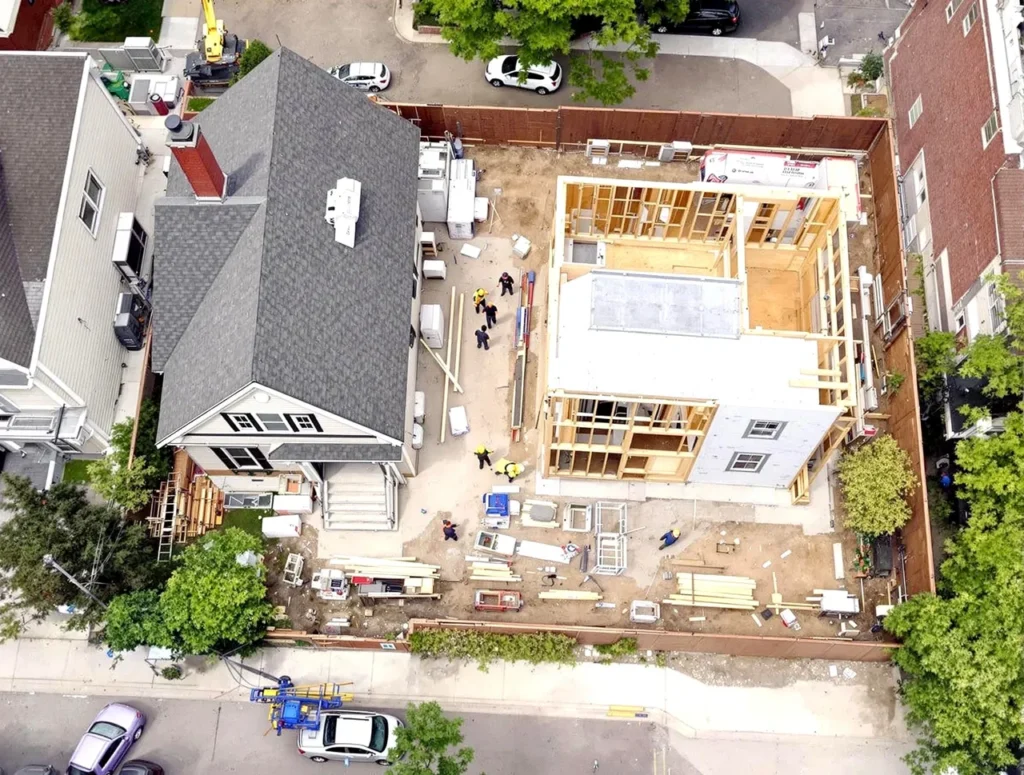
Your Complete Guide to Permit-Free Construction and Repairs Not every home improvement or building project in Chicago requires a permit. Understanding when you can proceed without one saves you time, money, and hassle—while keeping your project compliant with city regulations. At Chicago Expediter, we help property owners and contractors navigate Chicago’s complex permitting landscape. This comprehensive guide explains exactly when building permits are not required, what conditions apply, and when you should still consult an expert. Understanding Chicago’s Permit Requirements The City of Chicago requires building permits for most construction, demolition, rehabilitation, and repair work. However, the Department of Buildings recognizes that a limited range of site work, nonstructural repairs, minor alterations, and non-occupied structures can proceed without permits. Important: Even when a permit isn’t required, all work must still comply with Chicago Construction Codes and Municipal Code requirements. When in doubt, consult with an expediter or visit the Department of Buildings assistance counter at City Hall. Work That Does NOT Require a Building Permit 1. Board-Up and Clean-Up Work You can secure and clean properties without permits for emergency situations or vacant buildings. This includes boarding up windows and doors to protect property from weather, vandalism, or unauthorized entry. 2. Electrical Work In any building: In residential buildings (up to 4 stories): 3. Plumbing Work In any building or within 5 feet of foundation: In residential buildings (up to 4 stories): What “in-kind replacement” means: Using new materials of the same type, size, and shape as existing components. 4. Mechanical (HVAC) Work In any building: In residential buildings (up to 4 stories): 5. Interior Finishes and Furnishings No permit required for: 6. Exterior Walls, Windows, and Doors In any building: In residential buildings (up to 4 stories): 7. Roofing Work In any building: In residential buildings (up to 4 stories): 8. Masonry Work At any property: In residential buildings (up to 4 stories): 9. Porches, Decks, and Balconies For any building: In residential buildings (up to 4 stories): Important: If you’ve received a building violation for your porch, deck, or balcony, the violation notice will specify what permit is required. 10. Fences No permit required for: 11. Site Work and Landscaping At any property: In residential buildings (up to 4 stories): Exception:xcavation or grading disturbing 15,000+ sq ft, or creating 7,500+ sq ft of new impervious surface, may require a Stormwater Management Plan. 12. Small Permanent Structures No permit required for: 13. Small Temporary Structures No permit required for: 14. Signs No permit required for certain types: Note: Associated electrical work or support structure installation may still require permits. 15. Conveyance Device Repair Minor elevator, escalator, or lift maintenance and repairs that don’t involve structural changes or safety system alterations. 16. Exploratory Demolition When planning rehabilitation projects, you can perform limited exploratory demolition: Critical: Exploratory demolition cannot create unattended hazardous conditions (floor openings, reduced fire resistance, etc.). 17. Emergency Repair or Stabilization Work When repairs must be performed immediately to prevent imminent harm to people or property, work may begin before obtaining a permit. Requirements: Critical Conditions and Exceptions Code Compliance Is Always Required Even without a permit, all work must comply with: Bottom line: No permit doesn’t mean no rules. Code violations can result in fines, stop-work orders, or required removal of completed work. Historic Buildings These exceptions may not apply to: Contact: Historic Preservation Division, Department of Planning and Development Health and Safety Requirements Asbestos-Safe Work Practices: Lead-Safe Work Practices: Dust Control: Stormwater Management Large excavation or grading projects may require a Stormwater Management Plan: Public Way Use Work in public streets, alleys, sidewalks, or parkways requires separate permits: When Should You Still Consult an Expert? Even if your project appears permit-exempt, consult Chicago Expediter or the Department of Buildings if: Why consult an expert? Unpermitted work that actually requires a permit can: How Chicago Expediter Helps At Chicago Expediter, we provide: Permit Consultation Services Full Permit Expediting Violation Resolution Emergency Services Our advantage: Weekly City Hall presence, direct relationships with project managers, 15+ years of experience, and 1,000+ permits successfully processed. Frequently Asked Questions Q: If I don’t need a permit, do I still need a licensed contractor? A: Many projects still require licensed contractors even without permits. Electrical, plumbing, and HVAC work typically require licensed professionals regardless of permit requirements. Q: Can I start work immediately if no permit is required? A: Yes, but ensure your project truly qualifies for the exemption and complies with all code requirements. When in doubt, consult an expert first. Q: What if I’m not sure if my project qualifies? A: Contact Chicago Expediter for a free consultation, or visit the Department of Buildings assistance counter on the 9th floor at City Hall. Q: Do I need insurance for permit-exempt work? A: Yes. Property owners and contractors should maintain appropriate insurance coverage for all construction and repair work, regardless of permit requirements. Q: What happens if I do work that requires a permit without getting one? A: You may face fines, stop-work orders, required removal of work, and difficulty selling or refinancing your property. Always verify permit requirements before starting. Ready to Start Your Project? Whether your project requires a permit or not, Chicago Expediter ensures you’re compliant, protected, and on the right track. Serving all 77 Chicago neighborhoods with expert permit consultation, expediting, and violation resolution services. Disclaimer: This guide is for informational purposes only and does not constitute legal or professional advice. Permit requirements and code compliance standards are subject to change. Always verify current requirements with the City of Chicago Department of Buildings or consult with a licensed professional before beginning any construction or repair work.
How To Build An Addition
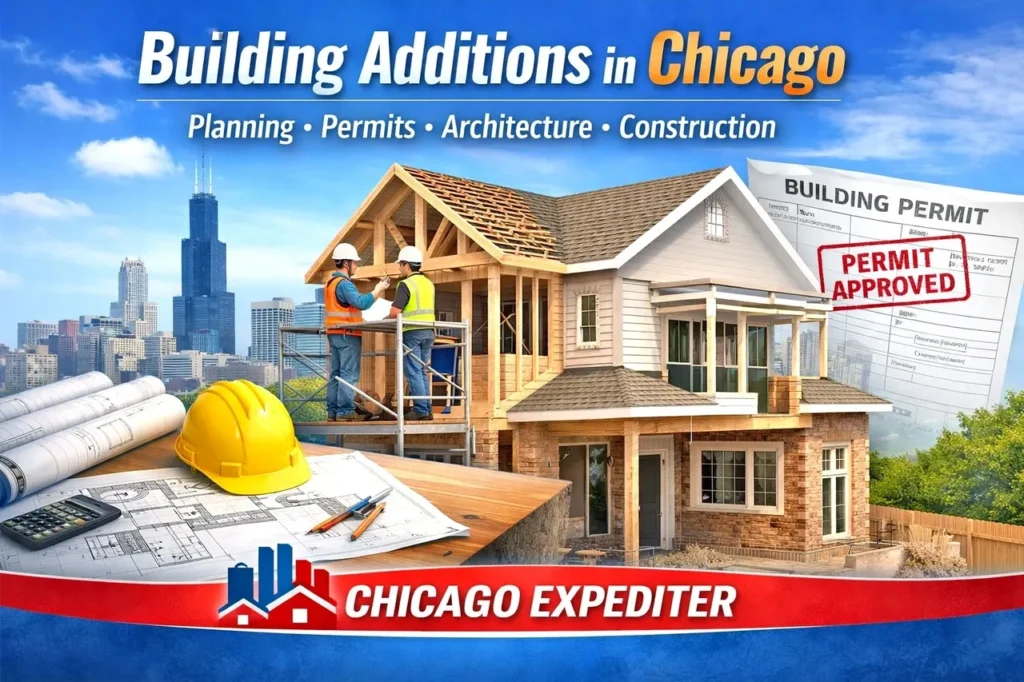
Building Additions in Chicago: What Property Owners Need to Know Adding space to an existing building can dramatically increase property value and improve how a home or commercial space functions. However, building additions in Chicago involve much more than simply hiring a contractor and starting construction. From zoning regulations and architectural drawings to permits and city approvals, expanding a building in Chicago requires careful planning and coordination. In this guide, we’ll walk through how the building addition process works in Chicago and what property owners should expect before starting a project. What Is Considered a Building Addition? A building addition refers to any expansion that increases the footprint or square footage of an existing structure. Common examples include: • Rear house additions• Second story additions• Expanding kitchens or living areas• Adding garages or coach houses• Commercial building expansions• Adding new residential units to multi-unit buildings Because these projects change the size or structure of a building, they almost always require architectural plans and city permits. Why Building Additions in Chicago Require Careful Planning Chicago has some of the most detailed zoning and building regulations in the country. These rules determine how large a building can be, where it can be built on the lot, and how it must be constructed. Before designing an addition, several factors must be evaluated: Zoning Regulations Each property in Chicago is located within a specific zoning district that determines what can be built on the property. Zoning regulations affect: • Maximum building size• Building height• Floor area ratio (FAR)• Required setbacks from property lines• Allowed number of dwelling units If a proposed addition exceeds zoning limits, the project may require a zoning variation or redesign. Lot Size and Setback Requirements Chicago zoning also determines how far buildings must be set back from property lines. Rear additions, side additions, and garage expansions must all meet setback requirements to be approved. Structural Considerations Not every building is structurally capable of supporting a major expansion. For example, second-story additions often require structural engineering review to ensure the existing foundation and framing can support additional weight. Do You Need a Permit for a Building Addition in Chicago? Yes — most building additions require a building permit from the City of Chicago. The permit process ensures that construction plans comply with: • Chicago Building Code• Zoning regulations• Structural safety standards• Energy code requirements Permits also ensure that the project will be properly inspected during construction. Attempting to build an addition without a permit can lead to stop work orders, fines, and costly corrections. The Typical Process for Building an Addition in Chicago Although every project is different, most additions follow a similar process. 1. Feasibility Review The first step is determining what can legally be built on the property. This typically includes reviewing: • Zoning regulations• Property dimensions• Existing building conditions• Proposed square footage This stage helps prevent designs that cannot be approved by the city. 2. Architectural Design Once feasibility is confirmed, an architect prepares the plans required for permit submission. These plans typically include: • Site plans• Floor plans• Structural drawings• Elevations• Code compliance documentation Architectural plans must meet Chicago building code standards before they can be approved. 3. Permit Submission and Review After plans are completed, they are submitted to the City of Chicago Department of Buildings for review. During this stage, city reviewers may request corrections or clarifications before issuing approvals. Depending on the project, reviews may include: • Building department review• Zoning review• Structural review• Energy compliance review 4. Permit Issuance Once all reviews are approved, the city issues a building permit. Construction can then begin under the approved plans. During construction, inspections may be required to verify that work complies with the permit. Common Challenges With Building Additions in Chicago Property owners often run into challenges when planning additions because of the city’s complex regulations. Some of the most common issues include: • Zoning limitations that restrict building size• Floor area ratio limits• Insufficient setbacks from property lines• Structural limitations of older buildings• Historic district restrictions• Delays during the permit review process Working with experienced professionals can help identify these issues early and avoid costly delays. How Professionals Help Streamline the Process Because building additions require coordination between architects, engineers, contractors, and city reviewers, many property owners work with professionals who understand Chicago’s approval process. Permit expediters and experienced architects can help: • Evaluate zoning before design begins• Prepare code-compliant plans• Coordinate permit submissions• Respond to city review comments• Move projects through the approval process more efficiently This can significantly reduce the time required to obtain permits. Planning a Building Addition in Chicago Building additions can be an excellent way to expand living space, increase rental income, or grow a commercial property. However, successful projects begin with careful planning and a clear understanding of Chicago’s building and zoning requirements. Before starting a project, it’s important to evaluate the property, understand the applicable regulations, and prepare the proper architectural plans for city approval. Taking these steps early can help ensure that the project moves smoothly from planning to construction.